
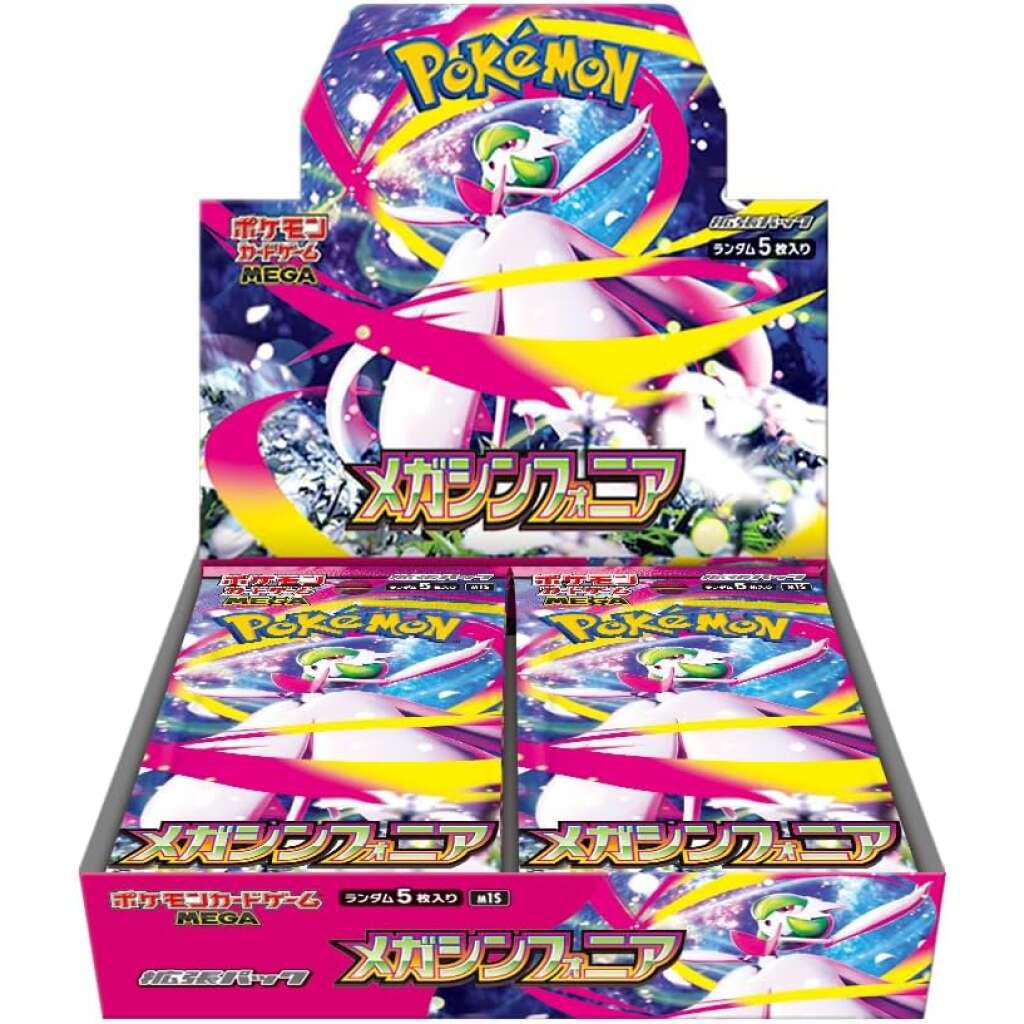
M1S Mega Symphonia Booster Box Guide
What is the M1S Mega Symphonia Booster Box?
At MonsterDexHub, we track emerging Pokémon card sets, and Mega Symphonia has quickly positioned itself as a high-interest product due to its curated card pool, attractive pull rates, and potential for premium rare cards. Each booster box typically contains multiple packs, offering collectors a structured way to chase ultra-rare cards while maintaining sealed product investment potential.
Why Japanese Pokémon Booster Boxes Are Highly Valued
Japanese Pokémon booster boxes, including Mega Symphonia, hold a distinct advantage in the global Pokémon card market. Their appeal goes beyond aesthetics, extending into measurable investment factors.
- Higher print quality: Better centering and surface quality increase PSA 10 grading rates.
- Exclusive releases: Some cards debut in Japan before international sets.
- Collector demand: Japanese variants often become premium collectibles.
- Stable pull rates: More predictable rarity distribution than English sets.
These advantages make products like the M1S Mega Symphonia booster box particularly attractive for both flipping and long-term holding strategies.
Card Rarity and Chase Cards in Mega Symphonia
Understanding Pokémon card rarity is essential when evaluating a booster box. Mega Symphonia is expected to include a structured rarity system that may feature:
- Common and Uncommon cards
- Rare holographic cards
- Ultra Rare (UR) and Super Rare (SR)
- Secret Rare (SAR) full-art or alternate art cards
The real value lies in “chase cards”—highly sought-after cards with limited pull rates. These often include fan-favorite Pokémon, competitive meta cards, or visually striking alternate art designs. In the Japanese Pokémon TCG, even mid-tier rarities can hold strong resale value due to collector demand.
Grading Strategy: Maximizing Your Pokémon Card Value
Grading is a critical step in maximizing returns from the Mega Symphonia booster box. Professional grading services like PSA, BGS, and CGC evaluate cards based on centering, corners, edges, and surface quality.
- PSA 10: Gem Mint condition, highest resale value
- PSA 9: Slight imperfections but still highly valuable
- Raw cards: Lower value unless graded later
Japanese cards are particularly advantageous for grading due to their consistent manufacturing quality, increasing the probability of achieving top-tier grades.
Best Collecting Strategies for Mega Symphonia
Whether you’re new or experienced, building a strategy is key to success in Pokémon card collecting.
- Sealed investment: Keep booster boxes unopened for long-term appreciation
- Selective grading: Only grade high-potential cards
- Set completion: Complete full sets for collector appeal
- Market timing: Sell during peak hype or hold during dips
At MonsterDexHub, we recommend balancing sealed product storage with targeted card grading to diversify risk and maximize returns.


Reviews
There are no reviews yet.